

Everest Base Camp Luxury Trek
Trip details
The Everest Base Camp Luxury Trek brings you to the foot of the world's highest mountain without trading away comfort. Helicopter transfers replace the long return walk, private rooms replace shared teahouse dorms, and a staged itinerary replaces the rushed standard schedule most trekkers are sold.
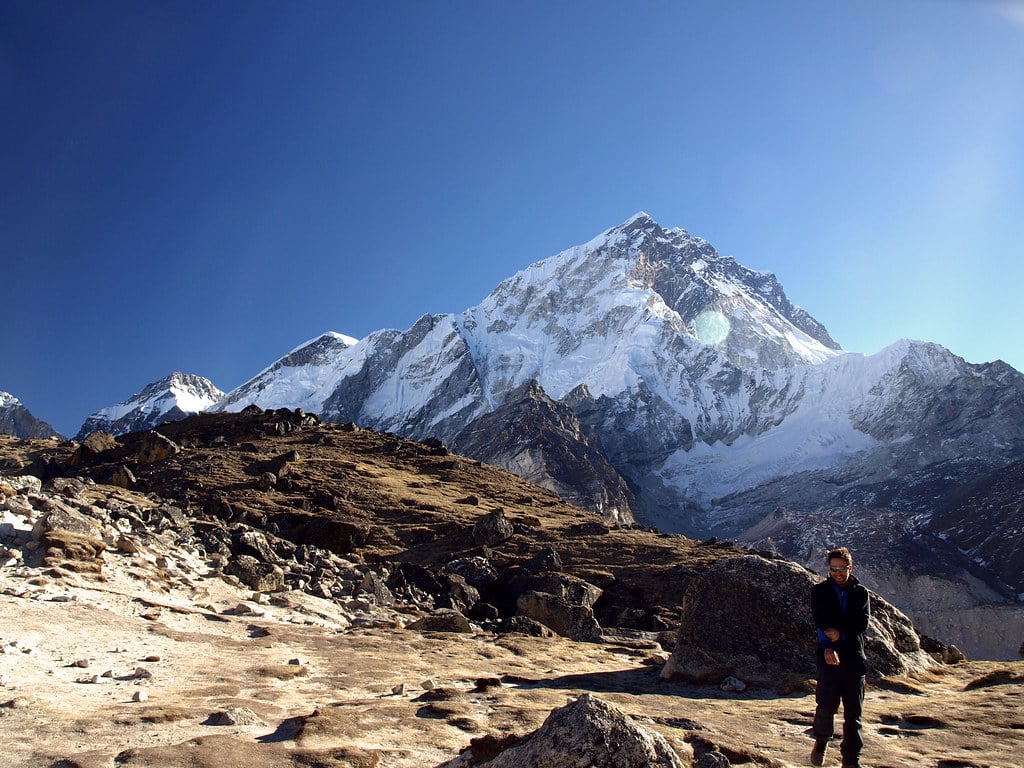
You fly from Kathmandu to Lukla in around 30 minutes, then walk the classic Khumbu trail through Namche Bazaar, Tengboche, and Dingboche before reaching Everest Base Camp at 5,364m. From Kala Patthar at 5,545m, you watch sunrise over Everest before a helicopter collects you from Gorak Shep for the flight back to Kathmandu, avoiding the multi-day walk out.
This trip is built for travelers with solid hill fitness who want the full trail experience without the physical toll of the return trek. It suits couples marking an anniversary, professionals with a fixed two-week window, and parents trekking alongside adult children who want less time on tired knees.
What sets this itinerary apart is the pacing most operators skip. We add a full rest day in Kathmandu before the flight to Lukla, an extra acclimatization night at Namche instead of a rushed single stop, and a side climb to the Nangkartsang viewpoint before the push toward Lobuche. Each trekker gets a private room every night the route allows it, one dedicated porter, and a trek leader who runs an oximeter check after dinner throughout the trip. This is the level of planning behind every trip in our Luxury Treks collection.
Why Book With Everest Luxury
Guides with decades of experience on this exact trail
Daily oximeter checks and full health monitoring
Satellite communication carried on every trek
Conservative, staged pacing built into every itinerary
Buffer days built in to absorb weather delays
Private room every night the route allows it
One porter per trekker
Small group sizes by design
Direct access to your trek leader throughout
Dedicated trip planner from inquiry to return
24/7 contact line while on the trail
Post-trek support for insurance claims or lost gear
Highlights of the Everest Base Camp Luxury Trek
Stand at Everest Base Camp (5,364m) at the foot of the world's highest mountain
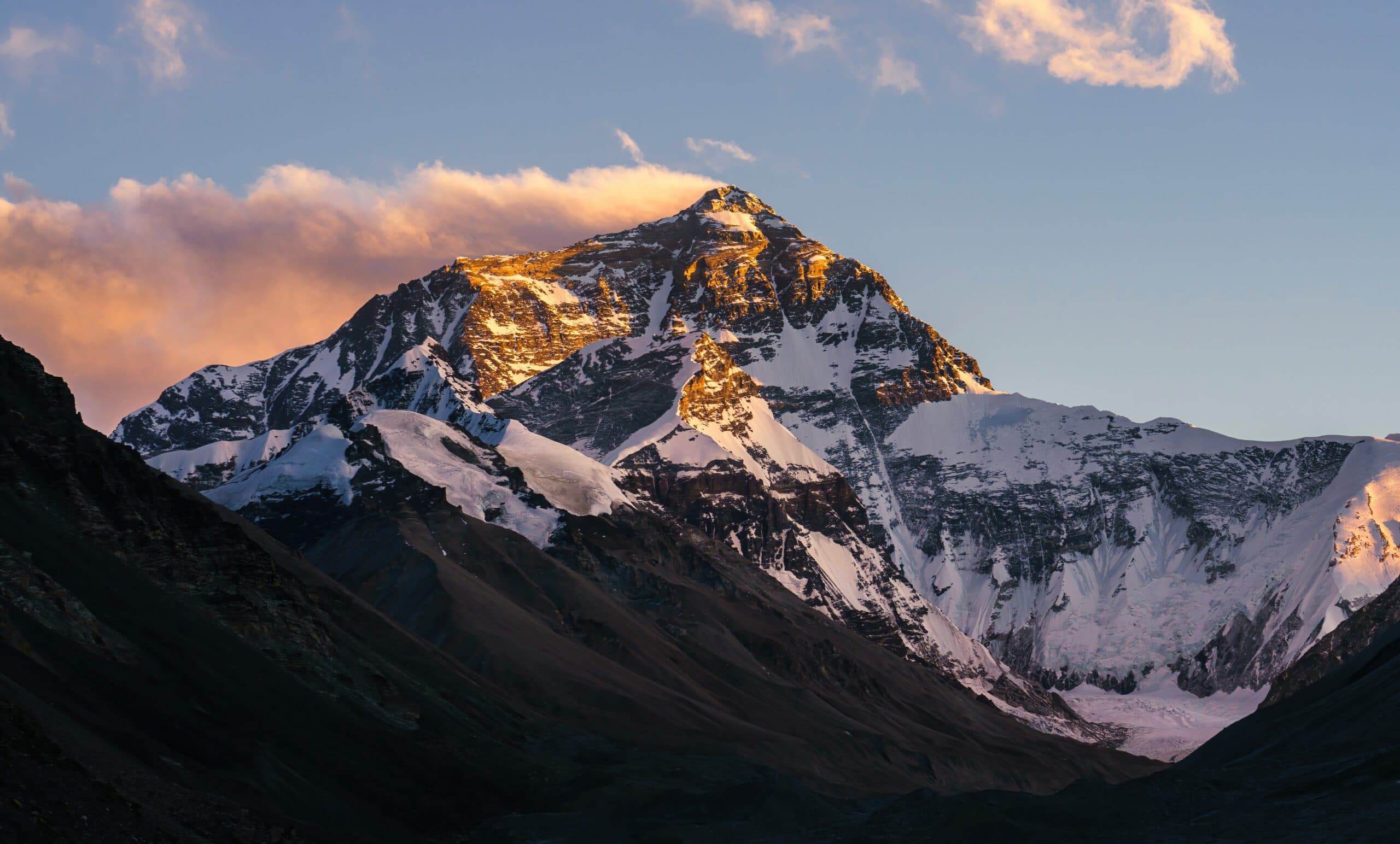
Sunrise views of Everest from Kala Patthar (5,545m), the trek's highest point
Helicopter flights both ways, skipping the multi-day walk out
Scenic Kathmandu to Lukla flight over the Himalayan foothills
Walk through Sagarmatha National Park, a UNESCO World Heritage Site
Explore Namche Bazaar, the Khumbu's main Sherpa trading hub
Visit Tengboche Monastery, the region's most significant Buddhist monastery
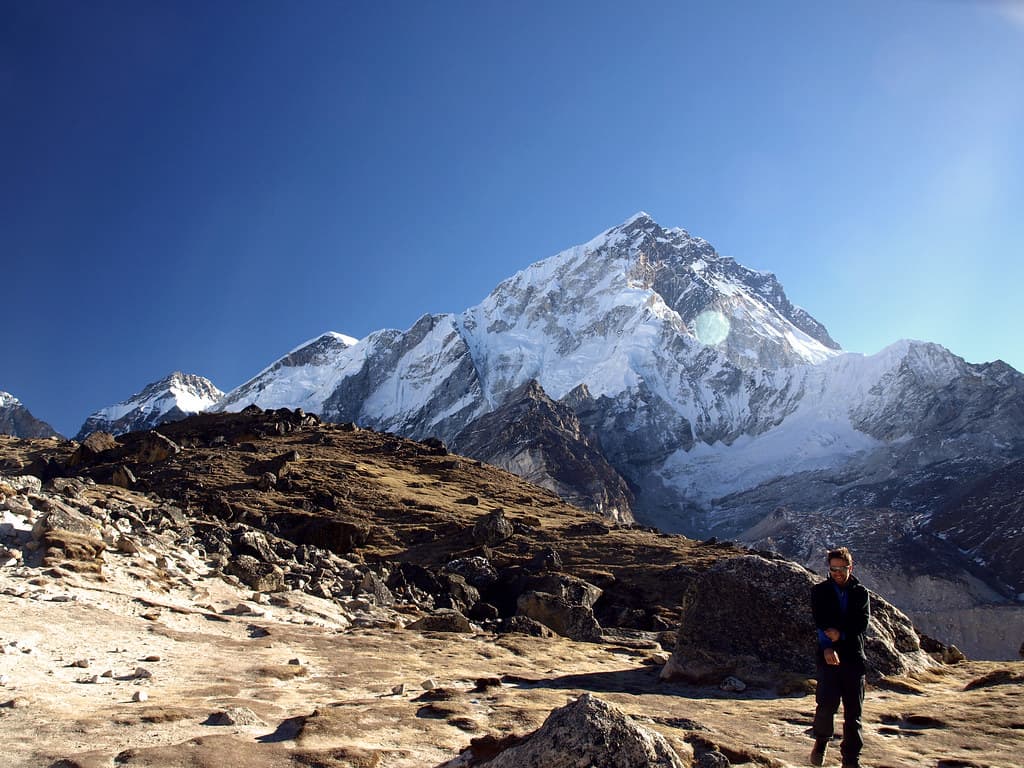
Close-up views of Ama Dablam, Nuptse, and Lhotse along the trail
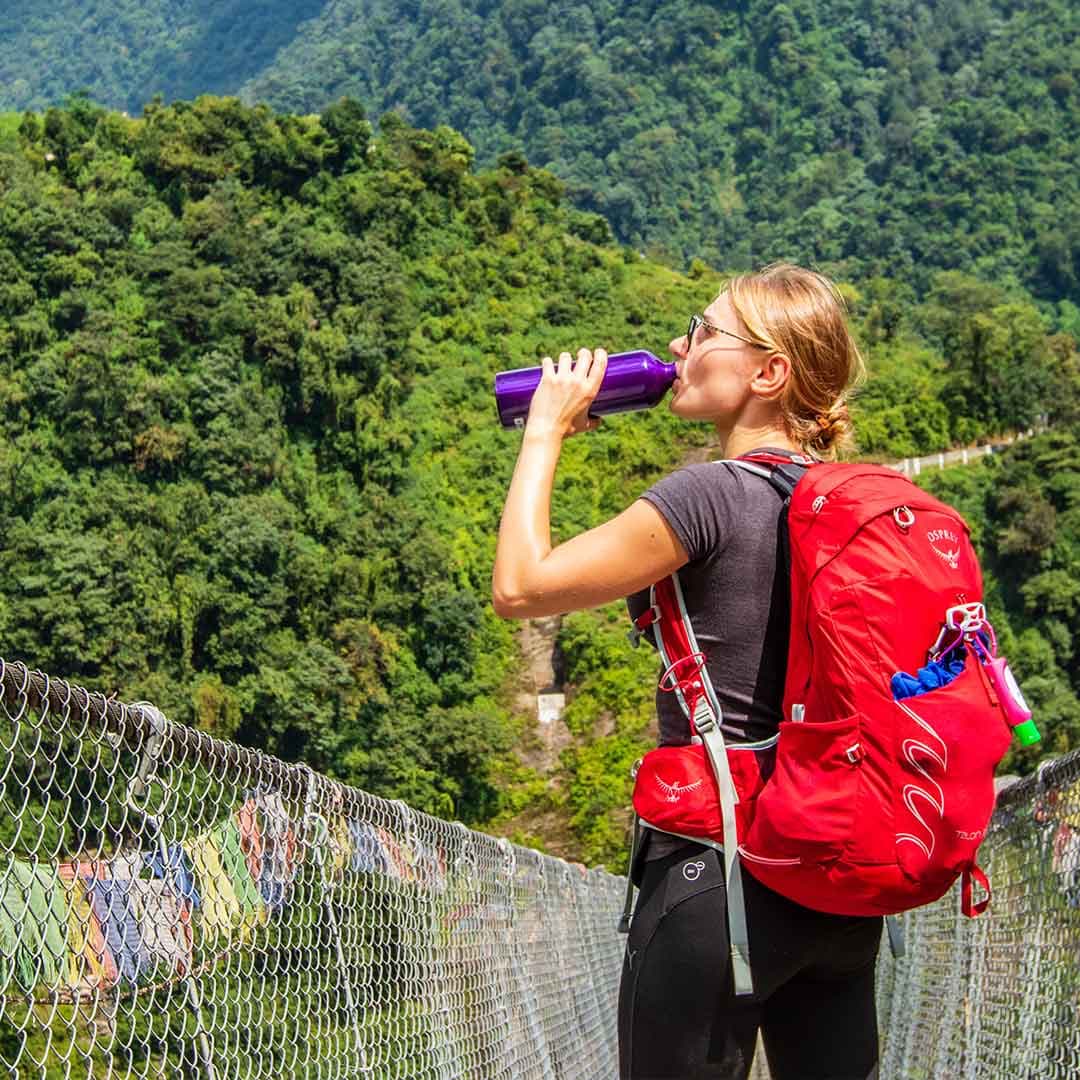
Pass through Sherpa villages and suspension bridges over the Dudh Koshi river
Private room accommodation every night the route allows it
Staged acclimatization with two dedicated rest days for a safer ascent
Small group or fully private setup with one porter per trekker
Price Starting From
Per person
Anil Bhandari
Trip Specialist
Itinerary
Day 1: Arrive in Kathmandu
expand_more
Day 1: Arrive in Kathmandu
You will be met at Tribhuvan International Airport and privately transferred to your hotel. In the evening we have a short welcome briefing: trip overview, gear check, and last questions before departure.
Day 2: Rest and Preparation in Kathmandu
expand_more
Day 2: Rest and Preparation in Kathmandu
A full day was added on before the flight to Lukla for final gear checks and some light cultural sightseeing around Kathmandu. This buffer also takes care of any early flight delays without ruining the rest of the schedule.
Day 3: Fly to Lukla, Trek to Phakding
expand_more
Day 3: Fly to Lukla, Trek to Phakding
A scenic 30-minute flight from Kathmandu to Lukla, then an easy first-day trek down to Phakding along the Dudh Koshi river, giving the body a gentle introduction before the climb toward Namche begins.
Day 4: Hike to Namche Bazaar
expand_more
Day 4: Hike to Namche Bazaar
The trail steadily climbs into Sagarmatha National Park, crossing suspension bridges over the Dudh Koshi before one last steep push into Namche Bazaar, the main trading hub of the Khumbu, where you spend two nights.
Day 5: Rest/Acclimatization Day in Namche
expand_more
Day 5: Rest/Acclimatization Day in Namche
A short hike to the Everest View Hotel provides your first true sight of Everest while keeping the day's altitude gain gentle enough for proper acclimatization before pushing higher.
Day 6: Trek to Tengboche
expand_more
Day 6: Trek to Tengboche
The trail descends through rhododendron forest and then climbs up to Tengboche. Tengboche is home to the most important monastery in the region, which can be visited in the evening if time allows.
Day 7: Trek to Dingboche
expand_more
Day 7: Trek to Dingboche
The trail opens up and becomes more exposed as you continue up the valley to Dingboche, where you will stay for a second acclimatization stop.
Day 8: Acclimatization Day, Nangkartsang Viewpoint
expand_more
Day 8: Acclimatization Day, Nangkartsang Viewpoint
A side hike up to the Nangkartsang viewpoint adds a gentle bit of altitude and panoramic views of the surrounding peaks and is an important step before the final push toward Base Camp.
Day 9: Trek to Lobuche.
expand_more
Day 9: Trek to Lobuche.
The trail passes memorials to climbers lost on Everest before reaching Lobuche, a small, high-altitude stop that is the last major overnight before Gorak Shep.
Day 10: Trek to Gorak Shep, Explore Everest Base Camp From Gorak Shep
expand_more
Day 10: Trek to Gorak Shep, Explore Everest Base Camp From Gorak Shep
You walk through the constantly changing terrain of the Khumbu Icefall to Everest Base Camp itself at 5,364m before heading back to Gorak Shep for the night.
Day 11: Sunrise over Kala Patthar, Fly to Kathmandu
expand_more
Day 11: Sunrise over Kala Patthar, Fly to Kathmandu
We fly a helicopter from Gorak Shep back to Kathmandu, instead of the long walk out, and we make an early climb to Kala Patthar 5,545m for sunrise over Everest.
Day 12: Buffer Day in Kathmandu
expand_more
Day 12: Buffer Day in Kathmandu
Reserve a day in case of helicopter delays from Day 11 due to weather; if not used, then a free day in the city.
Day 13: Free day
expand_more
Day 13: Free day
A relaxing day with extra activities such as a spa visit or a short city guided tour if you wish. This will allow the body to recover properly before departure.
Day 14: Departure Day
expand_more
Day 14: Departure Day
You will be driven privately to the airport for your return flight home.
Are you looking to customize the trip itinerary?
If the provided schedule is not suitable for you, we can create a personalized travel arrangement tailored to your preferences and requirements.
Cost Details
What's Included
Private airport pickup and drop-off in Kathmandu
3 nights luxury hotel accommodation in Kathmandu (Days 1, 2, 12/13) on bed and breakfast basis
Kathmandu to Lukla helicopter flight
Gorak Shep to Kathmandu return helicopter flight
All trekking permits, including Sagarmatha National Park entry and Khumbu Pasang Lhamu Rural Municipality entry
Private room accommodation at lodges throughout the trek, wherever available
All meals during the trek (breakfast, lunch, dinner)
One porter per trekker, carrying up to 15kg
Licensed, English-speaking trek leader with high-altitude first aid training
Daily oximeter and health monitoring on the trail
Satellite communication device carried by the guide
Gamow bag and standard AMS medication kit carried on trek
Welcome dinner in Kathmandu
All government and local taxes
Duffel bag for trek use (if needed)
Company-provided down jacket and sleeping bag (if needed, returned after trek)
What's Excluded
International airfare to and from Kathmandu
Nepal entry visa fee (paid on arrival)
Travel insurance, including mandatory helicopter evacuation coverage up to 6,000m
Lunch and dinner in Kathmandu (except welcome dinner)
Personal expenses (laundry, phone/wifi, bar bills, hot showers where charged separately)
Tips for guide and porter
Extra costs from early return, itinerary changes, or trip extension beyond the fixed schedule
Emergency evacuation costs beyond what insurance covers
Optional activities on the buffer/leisure days (spa, extra city tours)
Any items not explicitly listed under Cost Includes
Upcoming Departures
Choose between joining a scheduled group or planning a private, personalized journey for your group.
Useful Information
Food and Accommodation
Accommodation on this trek moves from luxury hotels in Kathmandu to the best available lodges along the Khumbu trail, with a private room booked for every trekker wherever the route allows it, so you're never sharing a dorm-style room with strangers. In Kathmandu, you stay in well-appointed hotels with proper heating, hot showers, and comfortable beds to rest before and after the trek. On the trail, lodges are selected for their quality within each village, often the best option in Namche, Tengboche, Dingboche, and Lobuche, offering warmer rooms, better bedding, and more reliable hot showers than standard teahouse options, though comfort naturally decreases at higher elevations where infrastructure is more basic.
Meals are full board throughout the trek, breakfast, lunch, and dinner, with a mix of Nepali, Tibetan, and Western options available at most lodges, ranging from dal bhat and momos to pasta, soups, and pancakes. Food quality and variety are generally strongest at lower altitudes and become simpler higher up, where lodges rely more on stored and dried ingredients, and boiled or treated water is provided or available for purchase throughout to keep hydration safe at altitude.
Permits Required
Two permits cover this route. The Sagarmatha National Park entry permit is required since the trail passes through the national park protecting Everest and the surrounding peaks; it's checked at the park entrance near Monjo. The Khumbu Pasang Lhamu Rural Municipality entry permit replaced the old local development fee and is checked shortly after. Under current rules, the Khumbu region does not require a TIMS card, unlike most other trekking regions in Nepal, since the local permit system already tracks trekker entries. Both permits are arranged in Kathmandu or Lukla before the trek begins, and this trip includes both in the package price.
Visa
Most nationalities can get a Nepal visa on arrival at Tribhuvan International Airport in Kathmandu. Travelers need a passport valid for at least six months beyond their travel dates, one passport-sized photo, and the visa fee in cash or card depending on the counter. Visa-on-arrival typically covers 15, 30, or 90-day options; a 14-day trip comfortably fits the 15-day visa, though some travelers choose the 30-day option for buffer flexibility. It's worth double-checking current visa fees and any nationality-specific exceptions before departure, since these do change periodically.
Insurance
This is treated as mandatory rather than optional, and for good reason. Standard travel insurance often excludes high-altitude trekking or caps evacuation coverage well below what this route needs. Because the itinerary includes a Lukla flight and a Gorak Shep helicopter return, coverage needs to explicitly include helicopter evacuation up to at least 6,000m. Without this, an emergency evacuation becomes an out-of-pocket cost that can run into the thousands of dollars. Trekkers are typically asked to share proof of insurance before final trip confirmation.
Best Season
Two windows work best for this route: March to May (spring) and late September to November (autumn). Spring brings warmer daytime temperatures and rhododendron blooms lower on the trail, though visibility can be slightly hazier. Autumn tends to offer the clearest mountain views and the most stable flying weather for both the Lukla and Gorak Shep helicopter legs. Outside these windows, monsoon season (June to August) brings cloud cover and flight disruption risk, while winter (December to February) brings much colder temperatures and a higher chance of snow closing higher sections of the trail. Since this itinerary depends on two helicopter flights, season choice matters more here than on a fully walked itinerary.
Health and Altitude
The route is built around gradual, staged ascent rather than the fastest possible pace. Two dedicated acclimatization days are built in: one at Namche Bazaar (3,440m) and one at Dingboche (4,410m), both following the standard high-altitude guidance of climbing higher during the day and sleeping lower. Trek leaders run oximeter checks every evening to track blood oxygen saturation and catch early signs of Acute Mountain Sickness before they escalate. Each guide carries a Gamow bag (a portable hyperbaric chamber used for emergency AMS treatment) along with standard AMS medications like Diamox, and satellite communication to call for helicopter evacuation quickly if needed. Trekkers with pre-existing heart, lung, or blood pressure conditions are generally advised to get a medical check before booking, given the maximum altitude of 5,545m at Kala Patthar.
Packing List
Documents
Passport with 6 months validity
Passport photos
Travel insurance documents with evacuation coverage proof
Printed flight and trek confirmation
Clothing
Down jacket
Waterproof and windproof outer shell
Fleece mid layers
Thermal base layers
Trekking trousers
Warm hat and sun hat
Insulated gloves and liner gloves
Wool hiking socks
Gear
Trekking boots, broken in before the trip
Daypack, 30 to 40 liters
Trekking poles
Headlamp with spare batteries
Sunglasses with UV protection
Water bottle or hydration bladder
Water purification tablets or filter
Personal
Sunscreen and lip balm with SPF
Personal first aid kit
Basic toiletries
Power bank
Frequently Asked Questions
Quick answers to the questions travelers ask most about Everest Base Camp Luxury Trek.