




Annapurna Circuit Heli-Assisted Luxury Trek
Trip details
The Annapurna Circuit Heli-Assisted Luxury Trek is a 10-day journey built for travelers who want the classic Annapurna Circuit trek experience without the long trekking days on both ends. You drive or fly directly to Manang, skipping the lower valley walk, then trek across some of the most dramatic scenery in the Annapurna region. The trail leads up to Thorong La Pass, one of the highest and most iconic mountain passes in Nepal, before dropping into Muktinath, a sacred site for both Hindu and Buddhist pilgrims.
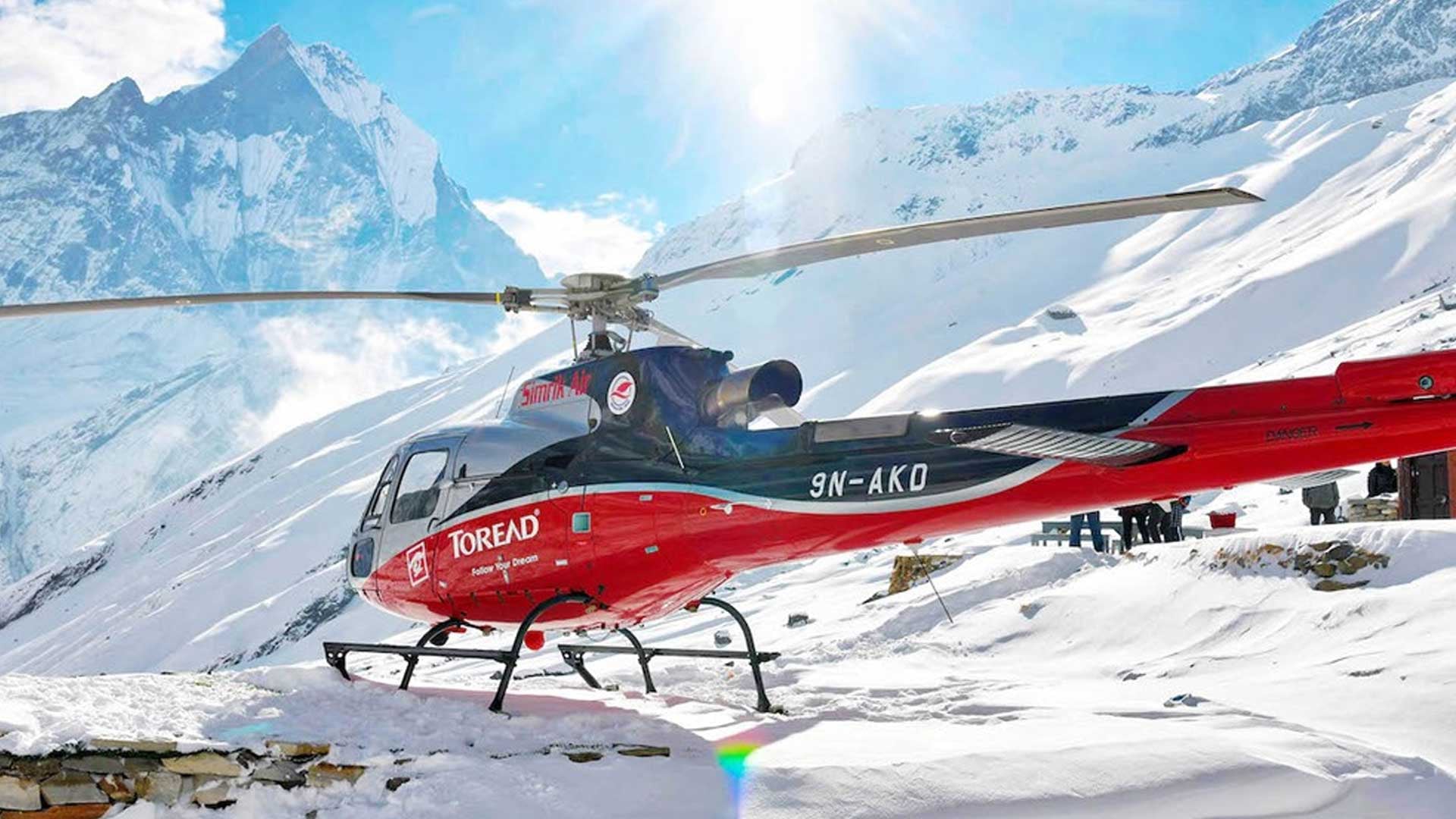
From Muktinath, instead of trekking back down, you take a scenic helicopter ride, cutting travel time and giving you sweeping aerial views of the Annapurna range. This heli-assisted return makes the trip ideal for travelers with limited time or those who want a more comfortable trekking experience while still reaching high altitude on foot.
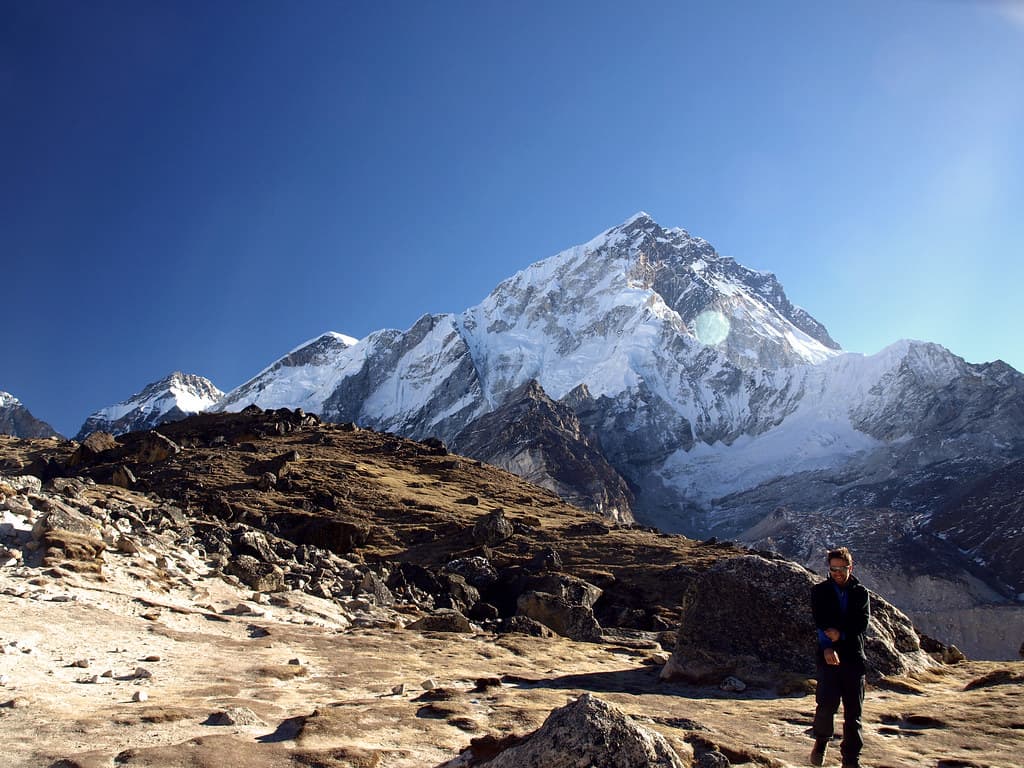
Along the way, the route passes through Manang's Tibetan-influenced villages, arid high-altitude landscapes, and views of peaks like Annapurna II, Gangapurna, and Tilicho Peak. Comfortable lodges, private transport, and a luxury trekking itinerary structure make this a strong fit for travelers who want adventure with fewer logistical demands.
Highlights
Trek through Manang, a high-altitude Tibetan-influenced village
Cross Thorong La Pass, one of the highest mountain passes in the world
Visit Muktinath Temple, a sacred pilgrimage site for Hindus and Buddhists
Scenic helicopter ride from Muktinath, replacing the long return trek
Close-up views of Annapurna II, Gangapurna, and Tilicho Peak
Drive or fly directly to Manang, skipping the lower Annapurna trail
Stay in comfortable lodges with private transport throughout
Why Choose This Trek
Shorter itinerary than the classic Annapurna Circuit trek
Reach high altitude on foot without a long trek on both ends
Heli descent saves time and adds a scenic aerial experience
Ideal for travelers with limited vacation days
Comfortable, luxury trekking setup with fewer logistical demands
Balanced mix of adventure, culture, and mountain scenery
Price Starting From
Per person
Anil Bhandari
Trip Specialist
Itinerary
Day 1: Arrival in Kathmandu
expand_more
Day 1: Arrival in Kathmandu
Your trip begins with arrival in Kathmandu, where you'll be greeted and transferred to your hotel. Depending on your arrival time, you can explore the city's vibrant streets, or simply rest and prepare for the trek ahead. In the evening, a trip briefing covers the itinerary, permits, gear checklist, and what to expect on the trail. This is also a good time to meet your guide and ask any last-minute questions before heading into the mountains.
Day 2: Drive or Fly to Manang
expand_more
Day 2: Drive or Fly to Manang
Rather than trekking through the lower Annapurna valley, you'll drive or take a scenic flight directly to Manang, cutting out several days of walking. The overland route winds through the Marsyangdi River valley, passing terraced fields and small villages before climbing into drier, high-altitude terrain. If flying, you'll get sweeping views of the Annapurna range from above. Either way, you'll arrive in Manang, a Tibetan-influenced village that serves as the main acclimatization stop before the pass.
Day 3: Acclimatization Day in Manang
expand_more
Day 3: Acclimatization Day in Manang
Manang sits at over 3,500 meters, so a full acclimatization day is built into the schedule here. A short hike to a nearby viewpoint or the Gangapurna Lake helps your body adjust to the altitude while keeping you active. You'll also have time to explore the village itself, visit a local monastery, and rest before the higher, more demanding stretch of the trek begins.
Day 4: Trek from Manang to Yak Kharka
expand_more
Day 4: Trek from Manang to Yak Kharka
The trek proper begins today as you leave Manang and follow the trail north toward Yak Kharka. The path climbs gradually through open, high-altitude landscape with fewer trees and increasingly dramatic mountain views. Yak Kharka, as the name suggests, is a seasonal grazing area for yaks, and the terrain here starts to feel remote and wild. This shorter walking day helps with continued acclimatization ahead of the higher camps.
Day 5: Trek from Yak Kharka to Thorong Phedi (or High Camp)
expand_more
Day 5: Trek from Yak Kharka to Thorong Phedi (or High Camp)
Today's trek takes you higher into thinner air, ending at Thorong Phedi or, for those pushing a bit further, High Camp. The trail is rocky and exposed in places, with the scale of the surrounding peaks becoming more apparent with every step. Reaching High Camp shortens the summit push the next day, though it does mean a higher, colder overnight stay. Your guide will advise on which option suits your pace and acclimatization.
Day 6: Cross Thorong La Pass to Muktinath
expand_more
Day 6: Cross Thorong La Pass to Muktinath
This is the most demanding and rewarding day of the trek. You'll set out early, often before sunrise, to cross Thorong La Pass at over 5,400 meters, one of the highest trekking passes in the world. The climb is steady and the air thin, but the panoramic views from the top, stretching across the Annapurna and Mustang regions, make it a defining moment of the trip. From the pass, the trail descends into the high desert landscape of Mustang, ending in Muktinath, a sacred pilgrimage site for both Hindus and Buddhists.
Day 7: Explore Muktinath and Helicopter Transfer
expand_more
Day 7: Explore Muktinath and Helicopter Transfer
With the hardest trekking behind you, this day is dedicated to exploring Muktinath Temple and its surrounding sacred sites, including the eternal flame shrine and the 108 water spouts. Afterward, you'll board a scenic helicopter for the return journey, soaring over the Annapurna range instead of retracing the trail on foot. The flight offers a completely different perspective of the mountains you've just crossed and significantly shortens what would otherwise be several more days of walking.
Day 8: Pokhara or Kathmandu
expand_more
Day 8: Pokhara or Kathmandu
Depending on the helicopter routing, you'll land in either Pokhara or directly in Kathmandu. If in Pokhara, you'll have time to relax by Phewa Lake, enjoy the city's laid-back atmosphere, and reflect on the trek with mountain views still visible in the distance. This day serves as a buffer for rest after the physical demands of the high pass.
Day 9: Return to Kathmandu / Leisure Day
expand_more
Day 9: Return to Kathmandu / Leisure Day
If you landed in Pokhara, a short flight or drive brings you back to Kathmandu. This day can also be used for sightseeing in the Kathmandu Valley, visiting UNESCO World Heritage Sites like Boudhanath Stupa or Pashupatinath Temple, or simply relaxing and shopping for souvenirs before departure.
Day 10: Departure
expand_more
Day 10: Departure
Your trip concludes with a transfer to Kathmandu's international airport for your onward flight, bringing the Annapurna Circuit Heli-Assisted Luxury Trek to a close.
Are you looking to customize the trip itinerary?
If the provided schedule is not suitable for you, we can create a personalized travel arrangement tailored to your preferences and requirements.
Cost Details
What's Included
Airport pickup and drop-off in Kathmandu
Hotel accommodation in Kathmandu (before and after the trek)
Teahouse and lodge accommodation throughout the trek
All meals during the trek (breakfast, lunch, and dinner)
Drive or scenic flight to Manang
Scenic helicopter transfer from Muktinath
Experienced, licensed trekking guide
Porter service (typically shared between two trekkers)
Annapurna Conservation Area Permit (ACAP)
TIMS card (Trekkers' Information Management System)
All government and local taxes
First-aid kit carried by the guide
Farewell dinner in Kathmandu
What's Excluded
International airfare to and from Nepal
Nepal entry visa fees
Travel insurance, including high-altitude and helicopter evacuation coverage
Personal expenses (phone calls, laundry, Wi-Fi, etc.)
Bottled or boiled water and beverages other than standard meals
Tips for guides and porters
Extra costs due to flight delays, cancellations, or route changes caused by weather
Personal trekking gear and equipment
Meals in Kathmandu and Pokhara not specified as included
Emergency evacuation costs beyond what's covered by insurance
Upcoming Departures
Choose between joining a scheduled group or planning a private, personalized journey for your group.
Useful Information
Accommodation
Accommodation on this trek is a mix of comfortable teahouses and quality lodges, designed to match the luxury trekking nature of the package. In Kathmandu, you'll stay in a well-rated hotel with modern amenities before and after the trek. On the trail, from Manang through Thorong Phedi, you'll stay in the best available mountain lodges, which offer private rooms, warm bedding, and basic attached bathrooms in most locations. Rooms at higher altitudes, such as Thorong Phedi or High Camp, are simpler due to the remote setting but still clean and well-maintained. After the heli transfer, you'll enjoy upgraded hotel stays in Pokhara or Kathmandu with full amenities.
Food
Meals throughout the trek are wholesome and energy-focused, built to keep you fueled at altitude. Breakfast, lunch, and dinner are typically included once you begin trekking, with menus featuring local Nepali cuisine like dal bhat, alongside international options such as pasta, soups, and fried rice. On the trail, trekkers enjoy hot drinks like ginger tea and garlic soup for their warming and altitude-easing effects. In Kathmandu and Pokhara, you'll have more variety, with cafes and restaurants offering everything from continental breakfasts to Western dinners.
Best Time to Visit
The best time for the Annapurna Circuit trek is during the pre-monsoon spring season, from March to May, and the post-monsoon autumn season, from September to November. Both windows offer clear skies, stable weather, and comfortable daytime temperatures, making them ideal for crossing Thorong La Pass safely. Spring also brings blooming rhododendrons along the lower trails, while autumn offers the clearest mountain visibility of the year. Winter treks are possible but come with colder temperatures and a higher chance of the pass being closed due to snow.
Visa
Most travelers can obtain a Nepal visa on arrival at Tribhuvan International Airport in Kathmandu. You'll need a passport valid for at least six months, a passport-sized photo, and the visa fee in cash or card, depending on the counter. Visas are available for 15, 30, or 90 days, and can also be extended in Kathmandu if your travel plans change. It's a good idea to check current visa requirements based on your nationality before departure.
Travel Insurance
Travel insurance is required for this trek, and it must specifically cover high-altitude trekking up to at least 5,500 meters, along with emergency helicopter evacuation. Given that the itinerary includes crossing Thorong La Pass and a helicopter segment, standard travel insurance often isn't sufficient. It's important to review your policy closely and confirm that it includes coverage for altitude sickness, trip delays, and emergency rescue before you begin the trek.
Permits
This trek requires two main permits: the Annapurna Conservation Area Permit (ACAP) and the TIMS card (Trekkers' Information Management System). Both are standard requirements for trekking in the Annapurna region and are usually arranged by your trekking agency in Kathmandu before departure. These permits help regulate trekking activity in the conservation area and ensure trekkers are registered for safety tracking purposes.
Altitude and Health
Altitude sickness is a real consideration on this trek, since the route climbs above 5,400 meters at Thorong La Pass. The itinerary includes a dedicated acclimatization day in Manang to help your body adjust gradually, but it's still important to stay hydrated, ascend slowly, and watch for symptoms like headaches, nausea, or dizziness. Your guide will be trained to recognize signs of acute mountain sickness (AMS) and can arrange a helicopter evacuation if needed, which is one of the added safety benefits of this particular itinerary. Travelers with pre-existing heart or lung conditions should consult a doctor before booking.
Packing List
Warm, insulated jacket (down recommended)
Waterproof and windproof outer shell
Fleece or thermal layers
Trekking pants and moisture-wicking shirts
Sturdy, broken-in trekking boots
Warm hat, sun hat, and gloves
Sunglasses with UV protection
Headlamp with extra batteries
Trekking poles
Sleeping bag rated for sub-zero temperatures
Water bottles or hydration bladder
Water purification tablets or filter
First-aid kit and personal medications
Diamox (for altitude, consult your doctor)
Sunscreen and lip balm with SPF
Basic toiletries and quick-dry towel
Power bank and universal adapter
Daypack for daily essentials
Cash in Nepali rupees for personal expenses
Frequently Asked Questions
Quick answers to the questions travelers ask most about Annapurna Circuit Heli-Assisted Luxury Trek.