





Annapurna Base Camp Luxury Trek: 9 Days
Trip details
The Annapurna Base Camp Luxury Trek is a premium 9-day journey into the heart of the Annapurna range, designed for travelers who want the raw beauty of the Himalayas without giving up comfort. This trek brings you face-to-face with towering peaks including Annapurna I, Machhapuchhre, Hiunchuli, and Gangapurna, while you rest each night in handpicked luxury lodges and boutique mountain properties rather than standard teahouses.
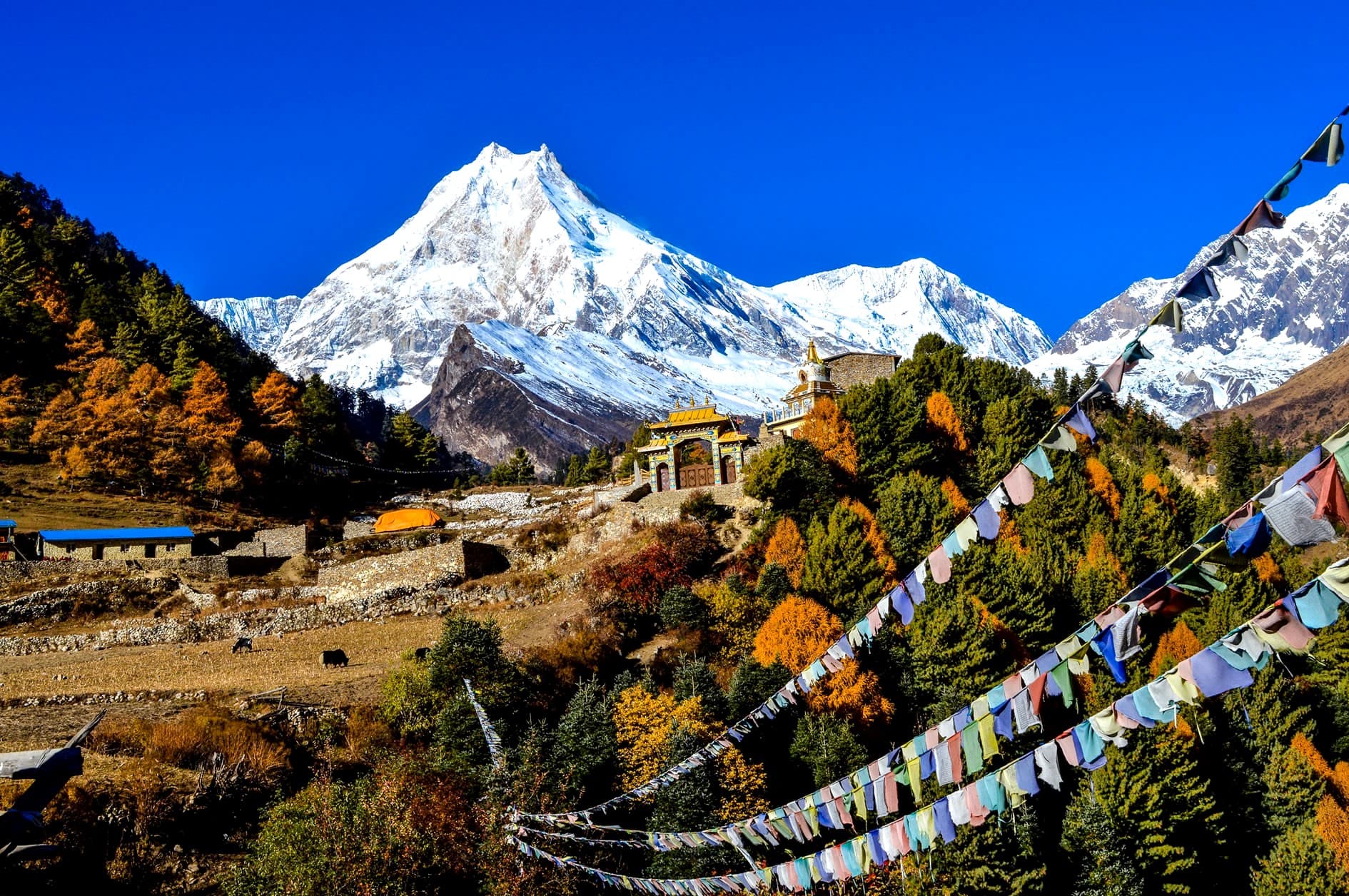
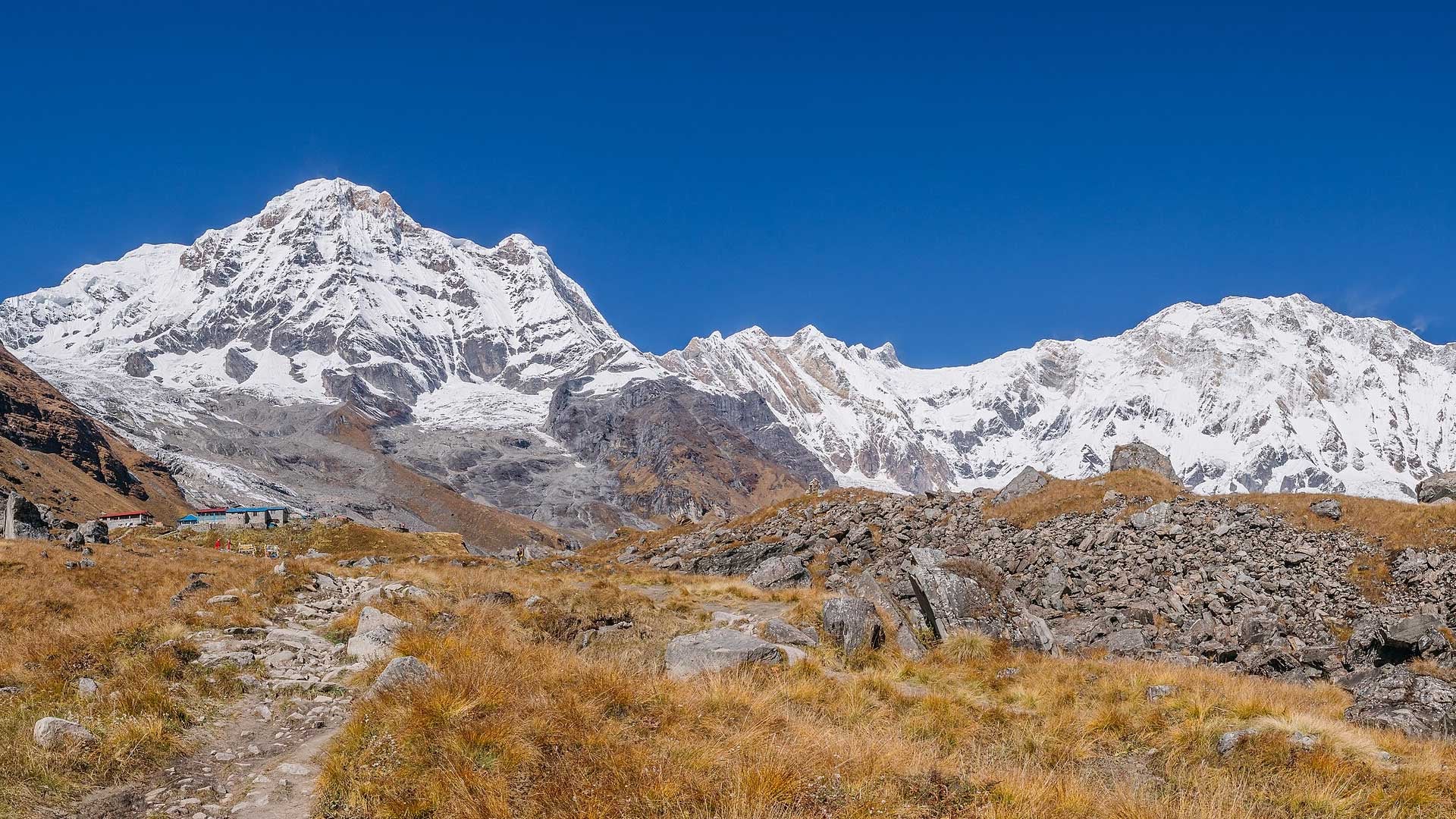
Starting and ending in Pokhara, the route passes through lush rhododendron forests, terraced farmland, and traditional Gurung and Magar villages before climbing into the Annapurna Sanctuary itself. Reaching Annapurna Base Camp at 4130 meters rewards trekkers with a full 360-degree amphitheater of snow-capped giants, a view widely regarded as one of the most spectacular in Nepal.
This luxury Annapurna trek is built for guests who want genuine mountain immersion paired with elevated service: private transportation, experienced guides, porter support, and carefully selected accommodation that emphasizes comfort, hot showers, and quality dining at altitude wherever possible. It suits moderately fit trekkers seeking a shorter, high-reward alternative to longer Annapurna routes, without compromising on the scenery or cultural depth of the region.
With a gentle acclimatization pace built into the itinerary and a shorter overall duration compared to the full Annapurna Circuit, this package is ideal for travelers with limited time who still want an authentic, high-altitude Himalayan experience.
Trek Highlights
Reach Annapurna Base Camp at 4130 meters, surrounded by a full circle of towering peaks
Panoramic views of Annapurna I, Machhapuchhre, Hiunchuli, and Gangapurna
Walk through rhododendron and bamboo forests bursting with color in spring
Pass through traditional Gurung and Magar villages, including Ghandruk and Chhomrong
Relax in natural hot springs at Jhinu Danda after days of trekking
Stay in handpicked luxury lodges with private rooms and hot showers
Enjoy private transportation and dedicated porter and guide support throughout
Experience sunrise and sunset light over the Annapurna Sanctuary from base camp
Shorter duration than the full Annapurna Circuit, ideal for limited travel time
Suitable for moderately fit trekkers seeking a high reward, low-time-commitment trek
Why Choose This Trek
The Annapurna Base Camp Luxury Trek stands out among Annapurna region itineraries for combining genuine wilderness immersion with a premium level of comfort rarely found on standard teahouse routes.
Unmatched close-up views of Annapurna and Machhapuchhre without a technical climb
Comfortable, upgraded lodging replaces basic teahouses along the entire route
A well-paced 9-day itinerary allows proper acclimatization without extending the trip unnecessarily
Small group or private departures allow a more personal, flexible pace
Rich cultural exposure through Gurung and Magar villages along the trail
A trusted choice for travelers who want the Annapurna Sanctuary experience without roughing it
Ideal shoulder season trek, accessible in both spring and autumn windows
Price Starting From
Per person
Anil Bhandari
Trip Specialist
Itinerary
Day 1: Arrival in Pokhara and Trek Preparation
expand_more
Day 1: Arrival in Pokhara and Trek Preparation
Your journey begins with arrival in Pokhara, the gateway city to the Annapurna region, set beside the tranquil Phewa Lake with views of the Annapurna and Machhapuchhre ranges on clear days. You will check into a comfortable lakeside hotel and use the afternoon for final trek preparation, gear checks, and a briefing with your guide covering the route, altitude profile, and what to expect over the coming days. This day allows time to relax, explore the lakeside area, and settle in before heading into the mountains.
Day 2: Drive to Nayapul and Trek to Ghandruk
expand_more
Day 2: Drive to Nayapul and Trek to Ghandruk
After breakfast you will take a scenic drive from Pokhara to Nayapul, the starting point of the trek, passing through green hills and small villages along the way. From Nayapul the trail climbs gradually through terraced farmland and forest toward Ghandruk, one of the largest Gurung villages in the region. Ghandruk offers striking views of Annapurna South and Machhapuchhre and gives an early introduction to the local culture, stone houses, and traditional way of life that defines this part of the trek.
Day 3: Ghandruk to Chhomrong
expand_more
Day 3: Ghandruk to Chhomrong
Leaving Ghandruk, the trail descends into a river valley before climbing again toward Chhomrong, the last major permanent settlement on the route to Annapurna Base Camp. The walk offers changing scenery, from farmland and forest to increasingly dramatic mountain views as you gain elevation. Chhomrong sits on a ridge with excellent views of Annapurna South and Machhapuchhre, and marks the point where the trail begins to feel noticeably more remote.
Day 4: Chhomrong to Dovan
expand_more
Day 4: Chhomrong to Dovan
From Chhomrong the trail drops steeply before crossing a river and climbing through Sinuwa and into dense bamboo and rhododendron forest. This section of the trek is known for its lush vegetation and the sense of entering deeper wilderness as the valley narrows. You will continue through Bamboo village before reaching Dovan, a small stop nestled in the forest that serves as a peaceful overnight base ahead of the higher altitude stages.
Day 5: Dovan to Deurali
expand_more
Day 5: Dovan to Deurali
The trail continues upward through forest that gradually thins as elevation increases, with bamboo giving way to more open, alpine terrain. Landslide prone sections along this stretch require careful footing, and your guide will set a steady pace to support proper acclimatization. Reaching Deurali, you will notice the temperature drop and the landscape opening up, with your first real sense of the high mountain amphitheater still ahead.
Day 6: Deurali to Annapurna Base Camp via Machhapuchhre Base Camp
expand_more
Day 6: Deurali to Annapurna Base Camp via Machhapuchhre Base Camp
This is the most rewarding day of the trek. The trail passes through Machhapuchhre Base Camp, offering a dramatic close up view of the sacred, unclimbed Machhapuchhre peak, before continuing into the Annapurna Sanctuary itself. Arriving at Annapurna Base Camp at 4130 meters, you will be surrounded by an unbroken circle of Himalayan giants including Annapurna I, Annapurna South, Gangapurna, and Hiunchuli. Sunset from base camp is one of the most memorable moments of the entire trek, as the peaks turn shades of gold and pink.
Day 7: Annapurna Base Camp to Bamboo
expand_more
Day 7: Annapurna Base Camp to Bamboo
After an early sunrise viewing at base camp, a rare and unforgettable moment in the Himalayas, you will begin the descent back through Machhapuchhre Base Camp and Deurali. The return journey moves faster than the ascent, retracing the trail through Himalaya and Dovan before continuing down to Bamboo. Descending brings warmer temperatures and a return to the thicker forest, offering a different perspective on the terrain covered on the way up.
Day 8: Bamboo to Jhinu Danda
expand_more
Day 8: Bamboo to Jhinu Danda
The trail continues its descent through Sinuwa and back toward Chhomrong before dropping down to Jhinu Danda, known for its natural hot springs beside the Modi Khola river. After days of trekking at altitude, this is a welcome chance to relax and soothe tired muscles before the final stretch out of the mountains. The village offers a relaxed atmosphere and a fitting way to unwind after reaching base camp.
Day 9: Jhinu Danda to Nayapul and Drive to Pokhara
expand_more
Day 9: Jhinu Danda to Nayapul and Drive to Pokhara
On the final day, the trail descends from Jhinu Danda back to Nayapul, passing through familiar terraced farmland and villages as the trek comes to a close. From Nayapul you will take a private drive back to Pokhara, arriving in time to rest, reflect on the journey, and enjoy the comforts of the city after nine days in the Annapurna wilderness.
Are you looking to customize the trip itinerary?
If the provided schedule is not suitable for you, we can create a personalized travel arrangement tailored to your preferences and requirements.
Cost Details
What's Included
Private vehicle transfers and ground transportation for all activities mentioned in the itinerary.
Guided sightseeing tours in Kathmandu and Pokhara with an experienced professional guide and applicable monument entrance fees.
All required trekking permits and official documentation, including the Annapurna Conservation Area Permit (ACAP) and other applicable permits.
Experienced, government-licensed, English-speaking trekking guide throughout the trek.
Porter service at a ratio of 1 porter for every 2 trekkers.
Salaries, insurance, meals, accommodation, transportation, and necessary equipment for guides and porters.
Full-board meals during the trek, including breakfast, lunch, and dinner.
Complimentary trekking snacks such as energy bars and cookies.
Seasonal fresh fruit served during the trek.
Boiled drinking water throughout the trekking portion of the journey.
Oximeter for regular monitoring of oxygen saturation and heart rate at altitude.
Use of essential trekking equipment, including a down jacket, sleeping bag, trekking poles, and duffel bag.
Best available mountain lodge accommodation, with attached bathrooms and hot showers wherever available.
Private transportation between Pokhara and Nayapul as required by the itinerary.
Shared helicopter flight from Jhinu Danda to Annapurna Base Camp and onward to Pokhara, including approximately 45 minutes of landing time at Annapurna Base Camp, subject to weather and operational conditions.
Comprehensive first-aid and medical kit carried for trekking safety and emergencies.
3 nights' accommodation at Aloft Kathmandu Thamel, or a similar 5-star hotel.
1 night's accommodation at Hotel Barahi Pokhara, or a similar 5-star hotel.
Round-trip domestic flights between Kathmandu and Pokhara.
Annapurna Base Camp trekking route map.
Welcome and farewell dinners at traditional Nepali restaurants, including cultural music and dance performances.
What's Excluded
Nepal entry visa fee and international airfare to and from Nepal.
Travel and medical insurance, including emergency helicopter evacuation coverage for high-altitude trekking.
Personal expenses such as beverages, laundry, internet, charging fees, shopping, and other items of a personal nature.
Excess baggage charges, personal trekking gear, and tips or gratuities for guides, porters, drivers, and support staff.
Any additional costs caused by weather, flight delays or cancellations, illness, natural disasters, government restrictions, route changes, or services not specifically mentioned under Cost Includes.
Upcoming Departures
Choose between joining a scheduled group or planning a private, personalized journey for your group.
Useful Information
Trek Duration and Route
The Annapurna Base Camp Trek follows a classic 9-day route beginning and ending in Pokhara. The journey passes through Nayapul, Ghandruk, Chhomrong, Dovan, Deurali, Machhapuchhre Base Camp, Annapurna Base Camp, Bamboo, and Jhinu Danda before returning to Pokhara. The route combines traditional villages, forest trails, river valleys, and high-altitude Himalayan landscapes.
Maximum Altitude
The highest point of the trek is Annapurna Base Camp at 4,130 meters (13,550 ft). The gradual ascent through Chhomrong, Dovan, Deurali, and Machhapuchhre Base Camp helps your body adapt naturally to the increasing altitude.
Trek Difficulty
The Annapurna Base Camp Trek is considered a moderate to challenging trek. Previous high-altitude trekking experience is not essential, but travelers should be comfortable walking approximately 5–7 hours per day on mountain trails. The route includes stone staircases, steep ascents and descents, forest paths, and some uneven terrain.
Physical Fitness
Good general fitness is recommended before joining the trek. Regular walking, hiking, jogging, cycling, or cardiovascular training for several weeks before arrival can make the journey more comfortable. Strengthening your legs and improving endurance is particularly helpful for the long ascents and descents.
Best Time to Trek
The most popular seasons for Annapurna Base Camp are spring from March to May and autumn from September to November. These periods generally provide stable weather, clearer mountain views, and comfortable trekking conditions. Winter trekking is also possible, although temperatures are colder and snow may affect higher sections of the route.
Accommodation
Accommodation during the trek is provided in mountain lodges or teahouses. Rooms are generally simple, comfortable, and twin-sharing. Attached bathrooms and hot showers are available at selected locations, while facilities become more basic as you travel higher into the mountains.
Meals During the Trek
Breakfast, lunch, and dinner are available at trekking lodges along the route. Common options include traditional Nepali dal bhat, noodles, soups, pasta, rice dishes, potatoes, eggs, and other simple meals. At higher elevations, food choices may become more limited.
Drinking Water
Safe drinking water is essential throughout the trek. Boiled or treated water is recommended instead of purchasing large quantities of disposable plastic bottles. Travelers should drink regularly throughout the day to remain properly hydrated, particularly as altitude increases.
Altitude and Acclimatization
Although Annapurna Base Camp is lower than many high-altitude trekking destinations in Nepal, altitude should still be taken seriously. Your guide will maintain a comfortable walking pace and monitor your condition during the ascent. Staying hydrated, eating properly, resting well, and reporting symptoms such as persistent headaches, nausea, or dizziness are important.
Trekking Permits
Travelers need the required permits for trekking in the Annapurna region. These are arranged before entering the trekking area and should be carried throughout the journey. Your trekking company can normally organize the necessary documentation as part of the package.
Weather and Temperature
Mountain weather can change quickly. Lower sections of the trek may be warm during the day, while temperatures around Deurali, Machhapuchhre Base Camp, and Annapurna Base Camp can fall significantly, particularly at night and early in the morning. Layered clothing is therefore highly recommended.
Luggage and Porter Service
Travelers should carry only essential personal items in a small daypack while trekking. Larger trekking luggage can be transported by porters. A common arrangement is one porter for every two trekkers, with weight limits applied for porter safety.
Electricity, Charging and Internet
Charging facilities and Wi-Fi are available at many lodges along the trail, usually for an additional fee. Connectivity becomes less reliable at higher elevations, so carrying a power bank is recommended.
Hot Showers
Hot showers are available at several villages along the route, though they may involve an additional charge and become less readily available at higher altitudes. Facilities vary from lodge to lodge.
Travel Insurance
Comprehensive travel insurance is strongly recommended. Your policy should cover high-altitude trekking, medical treatment, trip disruption, and emergency helicopter evacuation up to at least 5,000 meters.
Guide and Porter Support
An experienced trekking guide is highly recommended for navigation, altitude management, accommodation coordination, local knowledge, and emergency assistance. Porters help make the journey more comfortable by carrying the majority of your trekking luggage.
What to Pack
Essential items include broken-in trekking boots, warm layers, a waterproof jacket, trekking pants, gloves, a warm hat, sunglasses, sunscreen, reusable water bottles, personal medication, and a comfortable daypack. A down jacket and sleeping bag are especially useful for the colder nights near base camp.
Natural Hot Springs at Jhinu Danda
Jhinu Danda is known for its natural hot springs located near the Modi Khola. Depending on trail conditions and available time, trekkers may have an opportunity to visit the hot springs and relax after completing the high-altitude section of the journey.
Responsible Trekking
Travelers are encouraged to minimize plastic waste, carry reusable bottles, respect local customs, avoid disturbing wildlife, and follow the instructions of guides in environmentally sensitive areas. Supporting local lodges and communities also helps ensure that trekking tourism benefits the people living along the route.
Frequently Asked Questions
Quick answers to the questions travelers ask most about Annapurna Base Camp Luxury Trek: 9 Days.