Loading article...
Our Affiliations



Travel Writer • September 15, 2026


Share
Discover more travel guides, practical advice, and inspiring stories for your next journey.
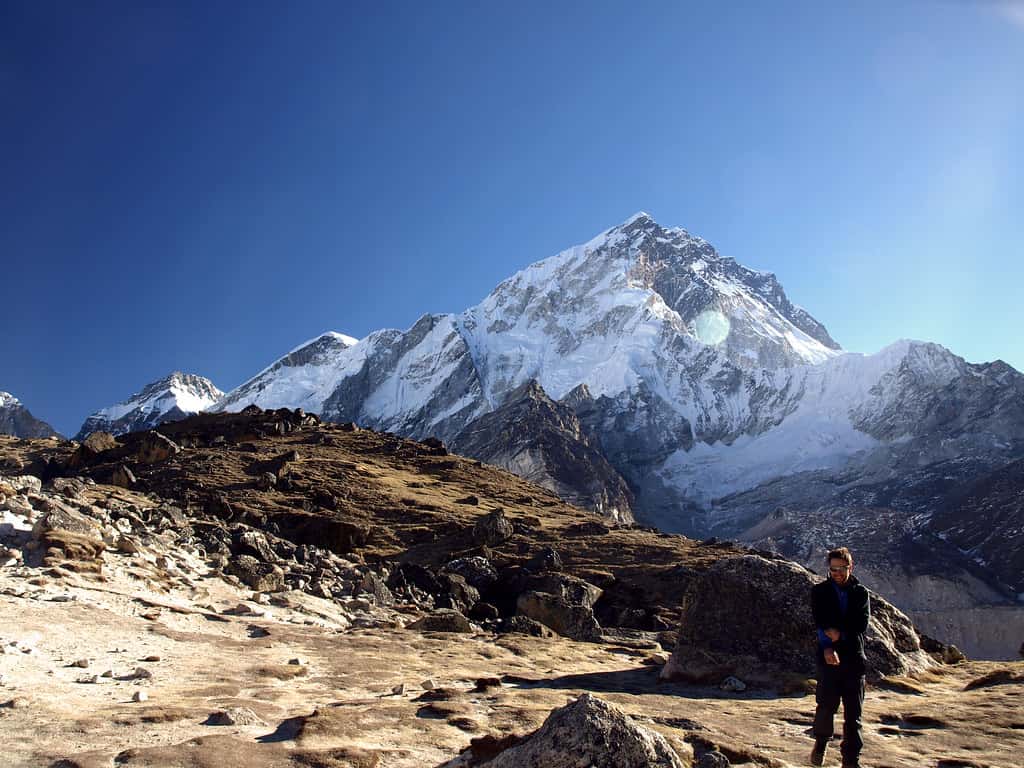
Nepal is one of the world’s most extraordinary trekking destinations. From the legendary trails of Everest and Annapurna to the remote valleys of Manaslu, Langtang, and Upper Mustang, the country offers an incredible range of Himalayan adventures.
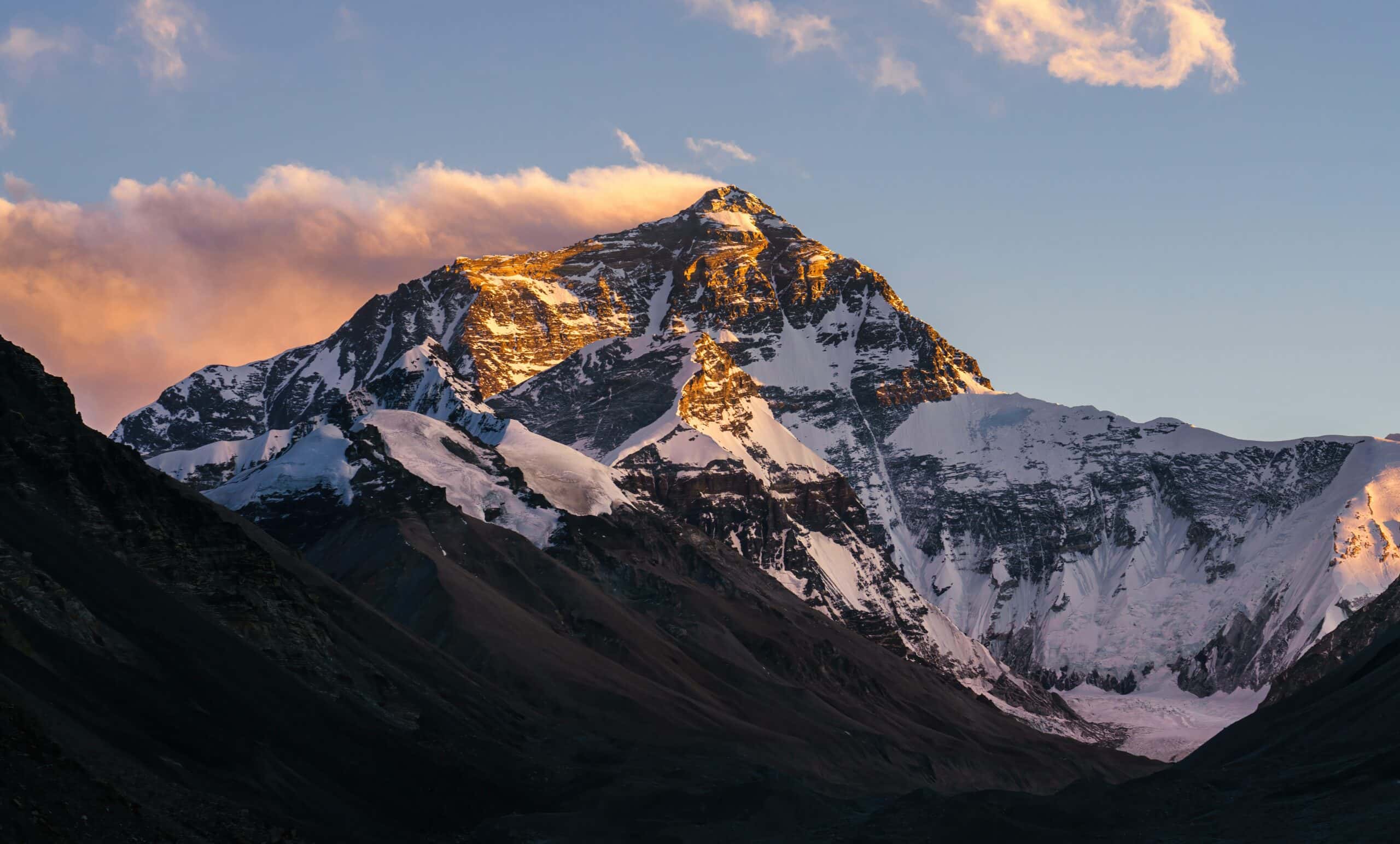
Nepal is a destination where adventure feels almost limitless. Home to the world’s highest mountains, dramatic Himalayan landscapes, ancient settlements, diverse cultures, wildlife reserves, and legendary trekking trails, Nepal attracts travelers searching for experiences far beyond an ordinary vacation.
Tell us what you have in mind. Our local travel specialists will help turn your ideas into a tailor-made journey.
verifiedPersonal advice from local experts
routeFlexible, custom-made itineraries
support_agentSupport before and during your trip
Complete the form and our team will get back to you shortly.
Packing correctly can make a huge difference to your trekking experience in Nepal.
Whether you are heading toward Everest Base Camp, exploring the Annapurna region, walking through Langtang Valley, or joining a luxury Himalayan trek, the right equipment helps you stay comfortable, organized, and prepared for rapidly changing mountain conditions.
At Everest Luxury Treks, we recommend packing light but smart.
You do not need to carry everything you own. Instead, focus on reliable clothing, proper trekking footwear, essential personal items, and equipment suitable for the altitude and season of your trek.
This complete Nepal trekking packing list will help you prepare for your Himalayan adventure.
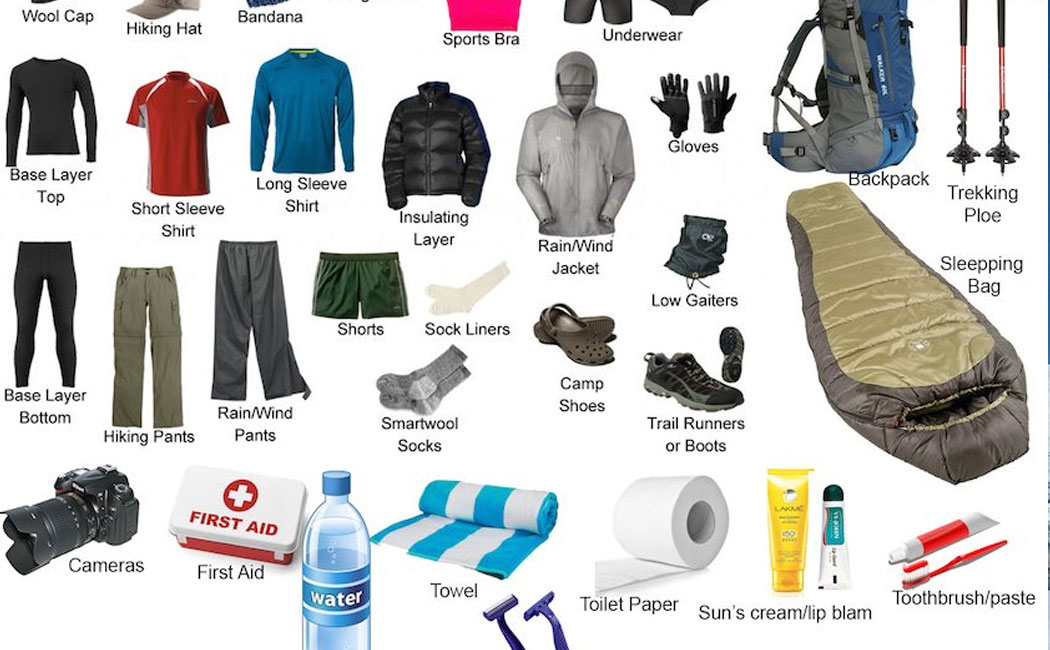
Trekking conditions in Nepal can vary significantly depending on:
Trekking region
Maximum altitude
Season
Number of trekking days
Accommodation standard
Personal comfort level
Weather conditions
A short trek around Pokhara requires very different equipment from a high-altitude trek to Everest Base Camp.
Similarly, spring and autumn generally offer milder trekking conditions, while winter can require significantly warmer clothing.
The key is to pack in layers.
Mountain temperatures can change quickly throughout the day. You may start walking in cold conditions, feel warm under the sun by midday, and experience freezing temperatures again after sunset.
Layering allows you to adjust easily.
Your luggage setup is one of the first things to organize.
A durable duffel bag is usually used for your main trekking luggage, particularly when porter service is included.
Your duffel should contain clothing and equipment that you do not need while walking.
Keep the weight manageable and follow the luggage guidelines provided for your specific trek.
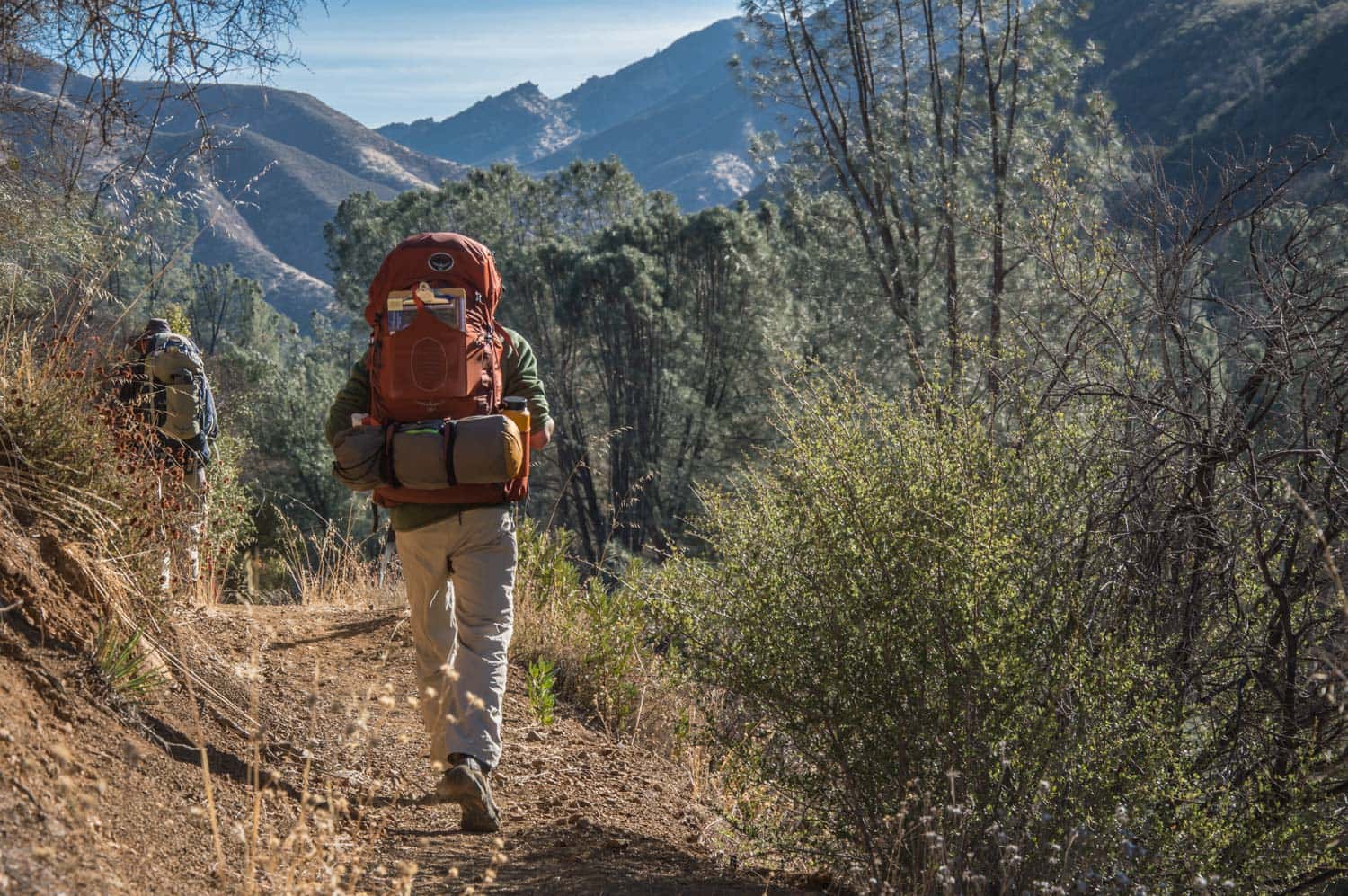
A 30–40 liter daypack is suitable for most Nepal trekking journeys.
This is the backpack you will carry yourself each day.
Your daypack may contain:
Water
Camera
Snacks
Sunscreen
Sunglasses
Rain jacket
Warm layer
Personal medication
Passport or valuables
Power bank
Gloves and hat
Choose a backpack with comfortable shoulder straps and a waist belt.
A rain cover is also highly recommended.
Good footwear is one of the most important parts of your packing list.
Choose comfortable trekking boots with:
Good ankle support
Strong grip
Water resistance
Comfortable cushioning
Proper fit
Most importantly, do not begin a major Himalayan trek with brand-new boots.
Wear them several times before your trip so that your feet have time to adjust.
A lightweight pair of shoes or sandals is useful for evenings at trekking lodges.
After walking for several hours in trekking boots, changing into something lighter can be extremely comfortable.
Bring several pairs of comfortable trekking socks.
A combination of lightweight and warmer wool or synthetic socks works well.
Avoid relying only on cotton socks because they retain moisture and can increase the risk of blisters.
Base layers help manage moisture and keep your body comfortable.
Pack:
2–3 moisture-wicking trekking T-shirts
1–2 thermal tops
1–2 thermal bottoms
Comfortable underwear
Synthetic or merino wool materials are generally better for trekking than regular cotton.
They dry faster and handle moisture more effectively.
During warmer trekking days, lightweight long-sleeved or short-sleeved shirts are ideal.
Long sleeves also provide protection from the sun.
For colder sections, carry a warm mid-layer such as:
Fleece jacket
Lightweight insulated jacket
Wool sweater
A fleece is particularly useful because it is lightweight, warm, and easy to layer underneath a larger jacket.
Bring comfortable trekking pants that allow easy movement.
Ideally, pack:
2 trekking pants
1 lightweight or convertible trekking pant
Thermal leggings for colder conditions
Quick-drying materials are preferable.
Jeans are generally not recommended for trekking because they are heavy, slow to dry, and uncomfortable when wet.
A warm down jacket is essential for high-altitude trekking.
Temperatures can fall sharply in areas such as Everest Base Camp, Gorakshep, Gokyo, Annapurna Base Camp, and high mountain passes.
A good down jacket should be:
Warm
Lightweight
Wind resistant
Easy to compress
Even during popular spring and autumn trekking seasons, evenings at high altitude can be very cold.
Mountain weather can change quickly.
A quality waterproof shell protects you from:
Rain
Snow
Strong wind
Unexpected weather changes
Choose a breathable waterproof jacket that can fit over your other layers.
This outer layer is especially important in exposed mountain areas.
Even outside the monsoon season, rain or snow is possible.
Carry:
Waterproof jacket
Backpack rain cover
Waterproof pants or rain pants
You may also want waterproof bags or dry sacks for protecting electronics, documents, and clothes inside your luggage.
Bring several types of head protection.
A lightweight hat protects your face from strong Himalayan sunlight.
A warm hat is essential in cold mornings and evenings.
A buff is one of the most useful small items you can pack.
It can help protect your face and neck from:
Wind
Dust
Cold
Sun
It can also be used as a head covering.
Bring at least two types of gloves.
A lightweight pair is useful for moderate temperatures, while insulated gloves or mittens are important for colder high-altitude sections.
Your hands can become cold quickly during early morning starts.
Strong UV exposure is common at altitude.
Good-quality sunglasses are essential.
Choose sunglasses with strong UV protection.
If your itinerary includes high passes or snowy terrain, sunglasses with additional coverage can be particularly useful because reflected sunlight can be intense.
The Himalayan sun can be much stronger than many travelers expect.
Carry:
High-SPF sunscreen
SPF lip balm
Moisturizer
Apply sunscreen regularly, particularly to your face, neck, ears, and hands.
Cold air and strong sun can also dry your lips quickly, so keep lip balm easily accessible.
Even when staying in trekking lodges, a sleeping bag can provide additional comfort and warmth.
For high-altitude trekking, choose a sleeping bag suitable for cold temperatures.
The required temperature rating depends on the route and season.
A sleeping bag liner can also provide extra warmth and improve hygiene.
Trekking poles can significantly reduce strain on your knees and improve balance.
They are particularly helpful when:
Descending steep trails
Walking on uneven terrain
Crossing rocky areas
Trekking in snow
Walking for long hours
Adjustable trekking poles are easy to pack and can be adapted to different terrain.
Staying hydrated is extremely important, particularly at altitude.
Carry reusable water bottles or a hydration system.
Depending on your trek, you may also want:
Water purification tablets
Water filter
Purification system
Using reusable bottles can also help reduce plastic waste in mountain areas.
Your guide or trekking team may carry group medical supplies, but you should also have a small personal first-aid kit.
Consider packing:
Blister treatment
Adhesive bandages
Pain relief medication
Antiseptic wipes
Anti-diarrheal medication
Oral rehydration salts
Personal prescription medicine
Cold and cough medicine
If you take regular prescription medication, bring enough for your entire trip plus a small additional supply.
Consult your doctor before traveling if you have concerns about altitude or trekking at high elevations.
Trekking lodges provide varying levels of facilities.
Bring basic personal hygiene items such as:
Toothbrush
Toothpaste
Small towel
Hand sanitizer
Wet wipes
Toilet paper
Soap
Shampoo
Moisturizer
Use travel-size containers whenever possible to reduce weight.
Many travelers want to document their Himalayan adventure.
Useful electronics may include:
Smartphone
Camera
Spare batteries
Power bank
Charging cables
Travel adapter
Headlamp
Electricity may be available at trekking lodges, but charging can sometimes involve an additional cost.
At higher elevations, battery life can decrease faster because of the cold.
Keep spare batteries warm when possible.
A headlamp is highly recommended.
You may need it during:
Early-morning hikes
Sunrise viewpoints
Nighttime lodge movement
Electricity interruptions
High-pass trekking days
Bring spare batteries.
A headlamp is generally more practical than a handheld flashlight because it leaves your hands free.
Keep essential documents protected and accessible.
These may include:
Passport
Nepal visa documents
Travel insurance information
Emergency contact details
Trekking permits where applicable
Flight information
Copies of important documents
Store digital copies of your passport and insurance documents on your phone or secure cloud storage as an additional precaution.
Appropriate travel insurance is essential for Himalayan trekking.
Your insurance should cover the specific activities included in your trip.
For high-altitude trekking, confirm that your policy covers trekking up to the maximum altitude of your itinerary.
Where relevant, it should also include emergency medical treatment and helicopter evacuation.
Do not assume that a standard travel insurance policy automatically covers high-altitude trekking.
Read the policy carefully before departure.
Meals are available along established trekking routes, but carrying a few personal snacks can be helpful.
Popular options include:
Energy bars
Nuts
Dried fruit
Chocolate
Electrolyte tablets
Energy gels
You do not need to carry large amounts of food.
A few familiar snacks can provide extra energy during long trekking days.
Small comfort items can make mountain life more enjoyable.
Consider packing:
Lightweight book
Earplugs
Eye mask
Travel pillow
Playing cards
Small notebook
Portable coffee or tea
Lightweight camp shoes
Do not overpack.
Every unnecessary item adds weight.
Travelers joining a higher-comfort or luxury trekking itinerary may have access to better accommodation, private transportation, upgraded lodges, or helicopter services depending on the route.
You may therefore want to bring a small amount of comfortable casual clothing for:
Hotels in Kathmandu
Luxury lodges
Restaurants
Private sightseeing
Post-trek stays
A clean shirt, comfortable trousers, and lightweight casual footwear are usually enough.
There is no need to pack formal clothing unless your wider itinerary requires it.
Avoid carrying unnecessary heavy items.
You generally do not need:
Multiple pairs of heavy shoes
Large bottles of toiletries
Too many clothes
Heavy books
Excessive electronics
Large quantities of food
Valuable jewelry
Unnecessary formal clothing
Packing light makes travel easier for both you and your trekking team.
Spring is one of Nepal's most popular trekking seasons.
Bring layers for warm daytime conditions and colder evenings.
At higher elevations, freezing temperatures are still possible.
Autumn usually offers excellent trekking conditions.
Days can be pleasant, but mornings and evenings become progressively colder later in the season.
A warm down jacket remains important.
Winter trekking requires additional insulation.
You may need:
Warmer down jacket
Heavy thermal layers
Insulated gloves
Warm socks
Winter sleeping bag
Snow can affect some high-altitude routes and passes.
Rain protection becomes especially important.
Bring:
Quality rain jacket
Waterproof pants
Backpack cover
Quick-drying clothes
Waterproof storage bags
Some regions are more suitable for monsoon trekking than others.
For the Everest Base Camp Trek, prioritize equipment suitable for high altitude and cold conditions.
Essential items include:
Quality trekking boots
Warm down jacket
Thermal base layers
Windproof outer shell
Warm gloves
Beanie
Sunglasses
Sleeping bag
Trekking poles
Daypack
Water bottles
Headlamp
Even when trekking during peak season, temperatures near Gorakshep and Everest Base Camp can become very cold.
One of the most common mistakes travelers make is packing too much.
You do not need a different outfit every day.
Trekking clothing can be reused, layered, and washed when facilities allow.
Focus on functionality rather than quantity.
A lighter bag means easier transportation, simpler organization, and a more comfortable overall journey.
The right packing list gives you confidence before your adventure begins.
Nepal's trekking routes take you through extraordinary environments, from subtropical valleys and forested trails to high-altitude landscapes surrounded by some of the world's greatest mountains.
Preparing properly allows you to focus less on equipment and more on the experience.
At Everest Luxury Treks, we help travelers prepare for their journeys with practical advice based on their destination, season, itinerary, and travel style.
Whether you are planning the Everest Base Camp Trek, Annapurna Base Camp, Gokyo Valley, Langtang, Manaslu, or another Himalayan adventure, your packing requirements may vary.
Our team can provide specific guidance before your arrival in Nepal so that you know what to bring and what may be available locally.
Pack smart, travel light, and prepare to experience the Himalayas with Everest Luxury Treks.
AUTHOR
Travel Writer at Everest Luxury Treks
Get the best travel stories delivered to your inbox.